
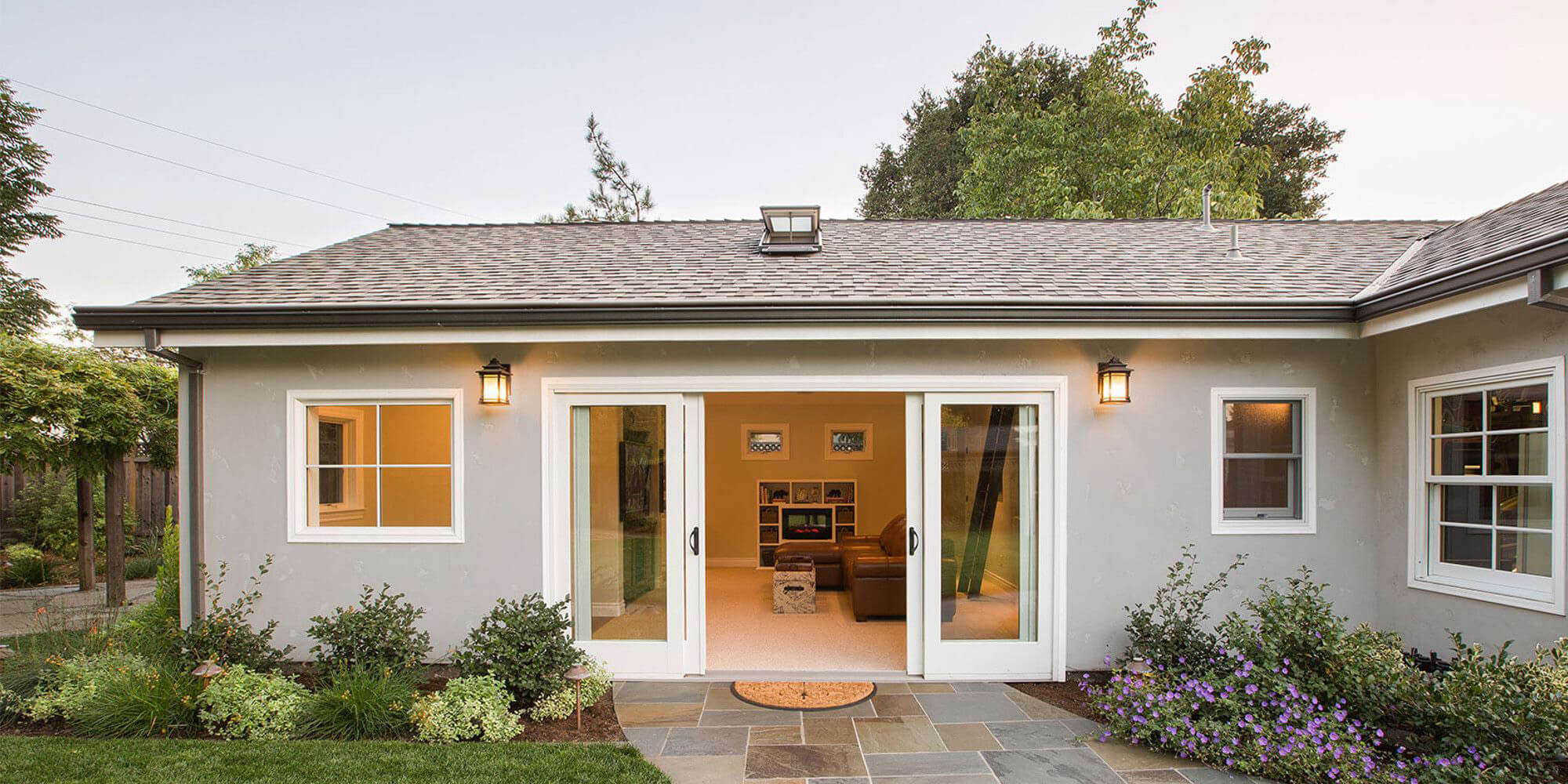
An attached accessory dwelling unit (ADU) is a residential living space that is built as an addition to the primary home, sharing at least one wall with the existing structure. This option offers an efficient way to expand livable square footage while maintaining connection to the main residence.
Attached ADUs are a popular choice for homeowners seeking flexibility, cost efficiency, and thoughtful integration with the existing home.
[
01
]
Definition
An attached ADU is a self-contained dwelling unit constructed as an extension of the primary house. While physically connected, it functions independently with its own kitchen, bathroom, living area, and sleeping space.
Unlike detached ADUs, attached units leverage the existing structure, allowing for streamlined construction, shared utilities, and cohesive architectural integration.
Long or Short Term Rental Units
Attached ADUs are frequently used as long-term rental units, providing additional income while remaining closely integrated with the primary residence.
Housing for Family Members or Caregivers
An attached ADU offers a private yet connected living option for extended family members, aging parents, or caregivers.
Expanded Living Space
Attached ADUs can function as in-law suites or secondary living spaces, expanding the usable area of the home without a separate structure.
Flexible Work From Home Spaces
Layouts may accommodate home offices or flexible-use spaces depending on design and zoning requirements.
[
02
]
Benefits
[
03
]
ADU Options
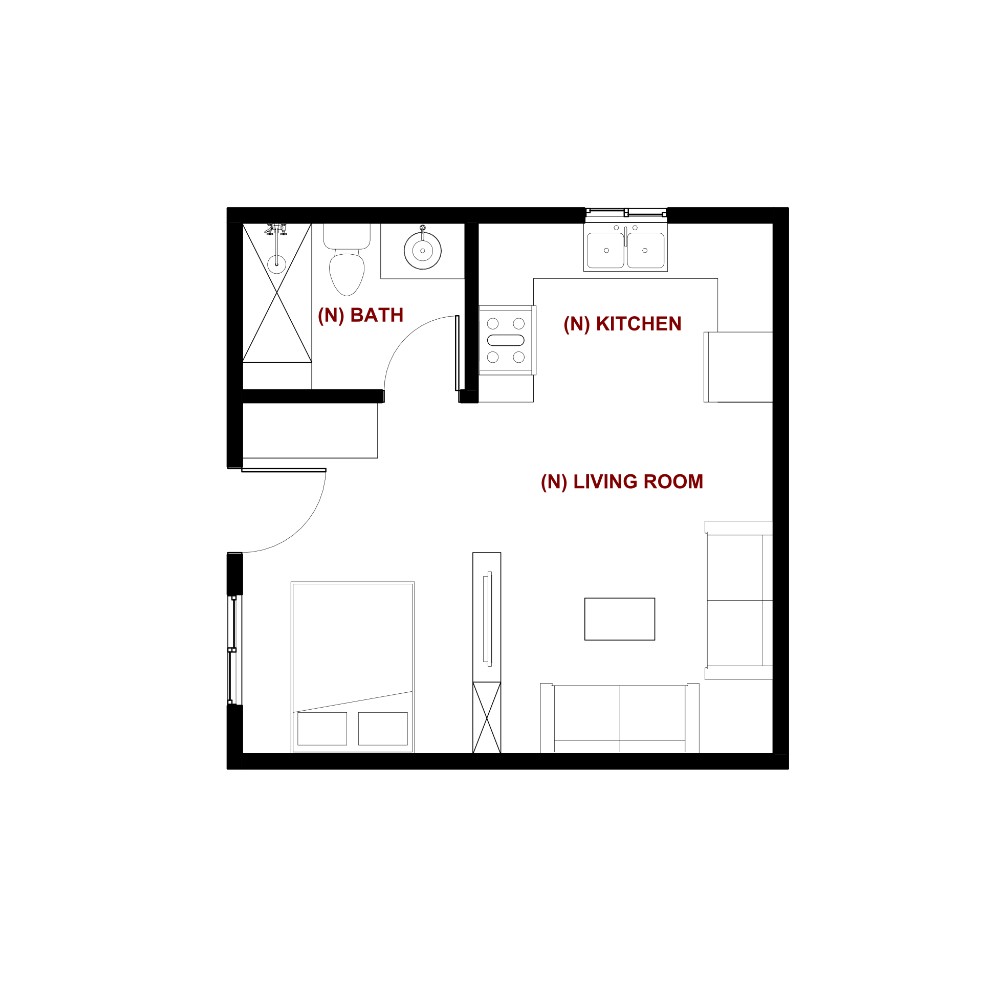
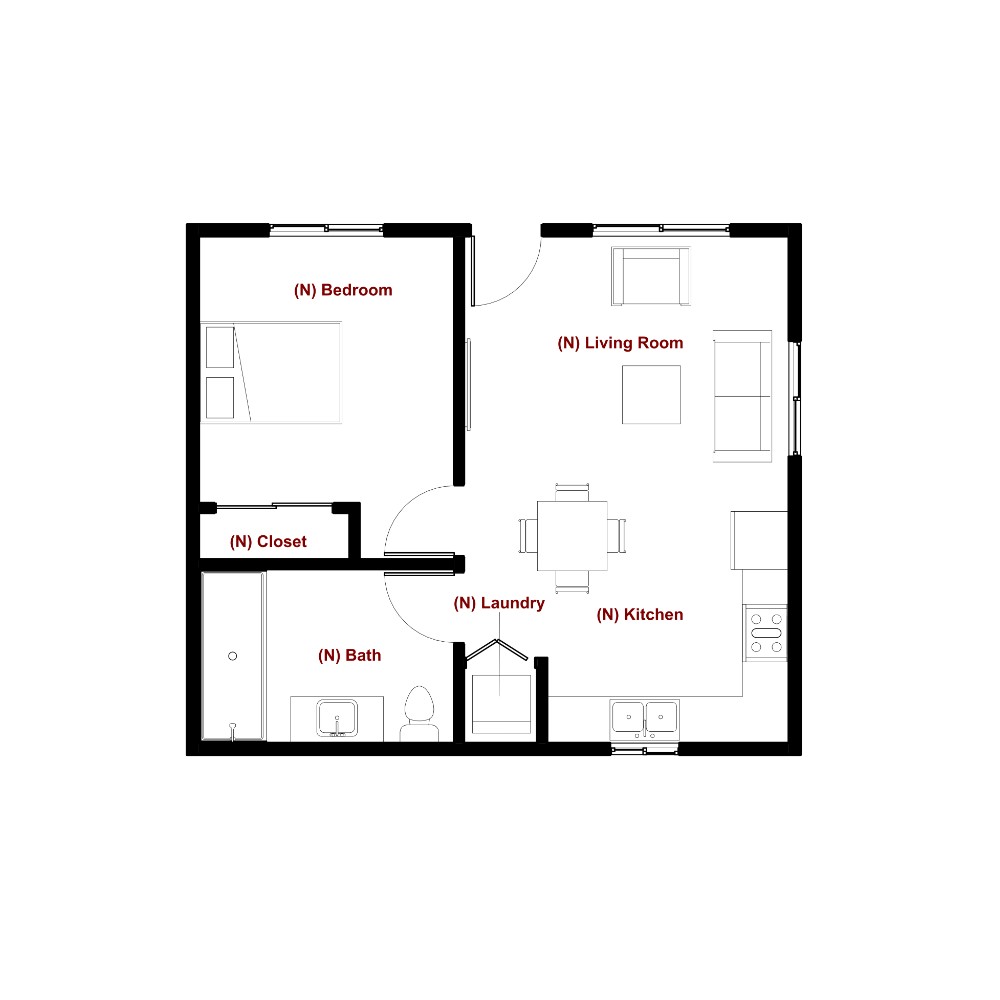
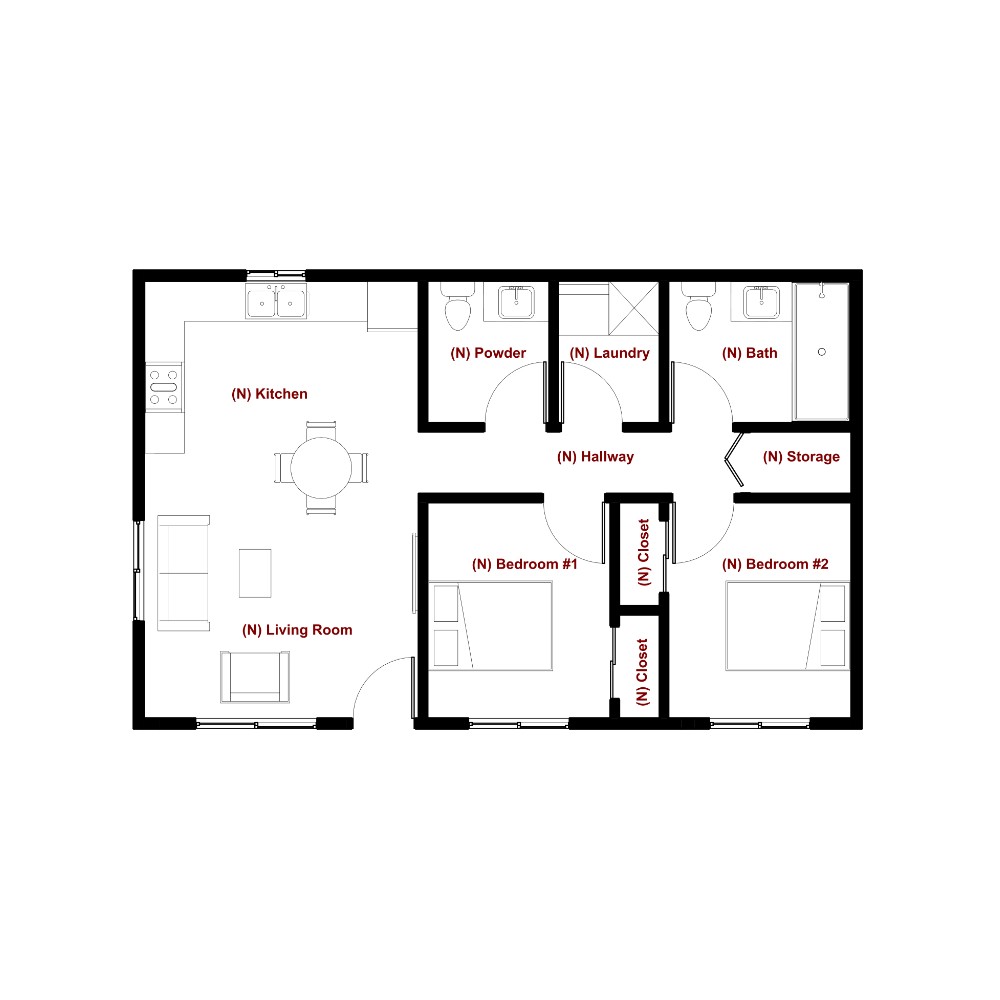
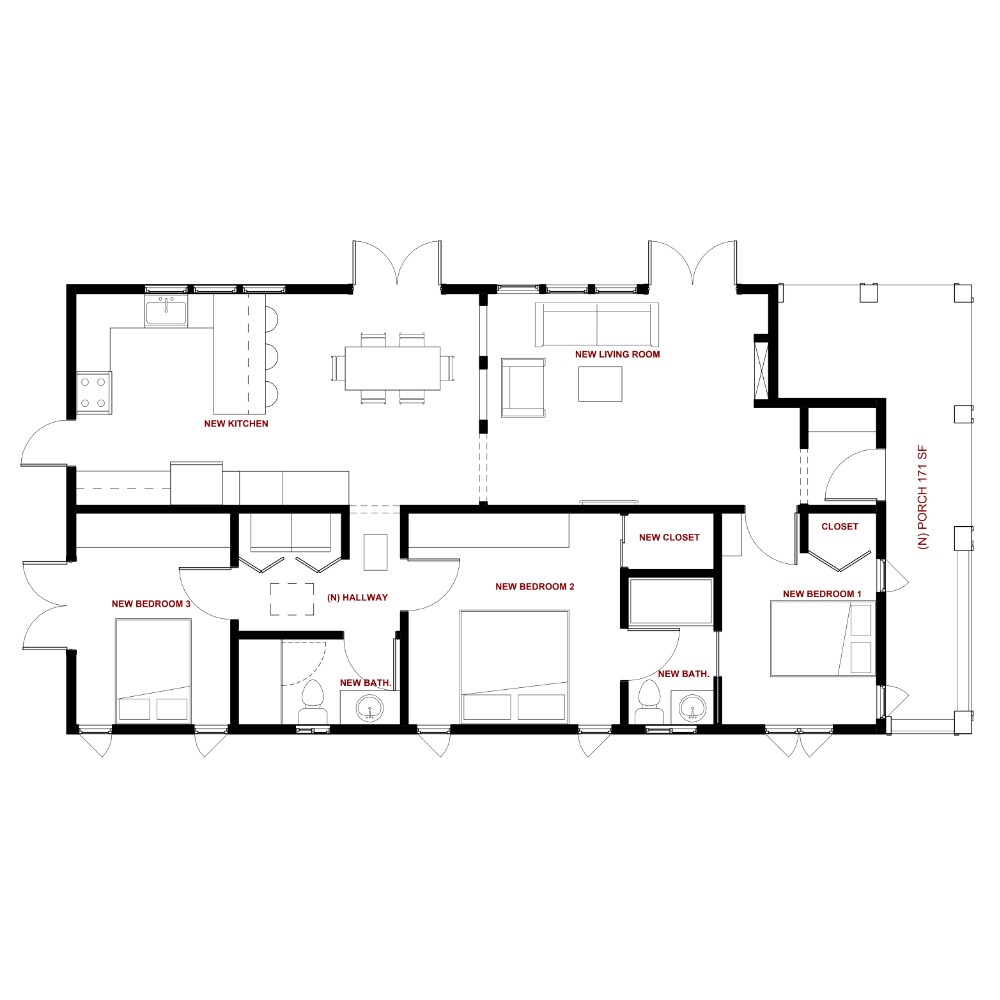
Attached ADUs can be designed in a variety of configurations.
Layouts are customized to respect existing structural conditions, setbacks, and desired privacy between units.
[
04
]
FAQ
What is an attached ADU?
An attached accessory dwelling unit is a self-contained residential unit built as an addition to the primary home, sharing at least one wall while functioning as an independent living space.
How is an attached ADU different from a detached ADU?
An attached ADU is physically connected to the main residence, whereas a detached ADU is a separate structure. Attached ADUs typically require less yard space and may offer cost efficiencies through shared construction and utilities.
Does an attached ADU need a separate entrance?
Yes, attached ADUs are required to have their own exterior entrance to function as independent dwelling units, even though they share a structure with the main home.
Can an attached ADU share utilities with the main house?
In many cases, attached ADUs may share or extend existing utility connections, depending on local regulations and project design. Utility requirements are reviewed during the planning phase.
How large can an attached ADU be?
Maximum size is governed by state ADU laws and local zoning regulations. Size limits are evaluated based on lot coverage, setbacks, and building code requirements.
Do attached ADUs require fire separation from the main home?
Yes, attached ADUs must meet fire-resistance and sound separation requirements between the units. These requirements are addressed during design and construction.
Can an attached ADU be rented out?
Attached ADUs are commonly used as long-term rental units. Short-term rental use may be restricted depending on local ordinances and should be reviewed prior to approval.
Will an attached ADU change the appearance of my home?
Attached ADUs are designed to integrate architecturally with the existing house. Exterior finishes, rooflines, and proportions are typically coordinated to maintain a cohesive appearance.
Is an attached ADU allowed on all properties?
Eligibility depends on zoning, lot size, and existing site conditions. A feasibility review is recommended to confirm whether an attached ADU is permitted on a specific property.