Detached Ground Up ADU: Building New-Construction ADU In California
ADU
New Construction
Detached
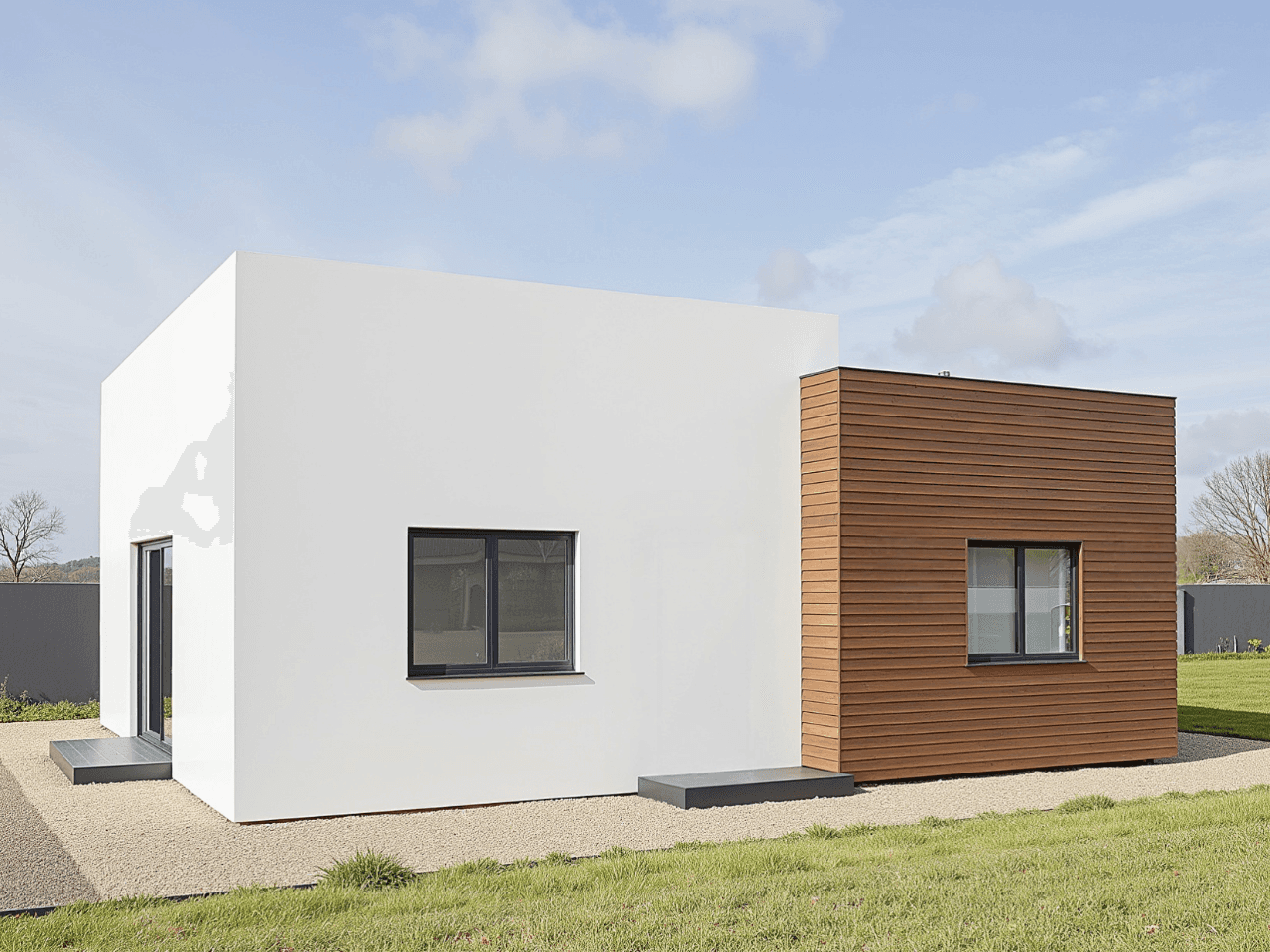
Building a detached, ground-up Accessory Dwelling Unit (ADU) is one of the most flexible ways to add housing on a residential property in California. Unlike garage conversions or additions, a ground-up ADU is built entirely from new construction, allowing full control over layout, size, orientation, and privacy. While this approach often requires more planning and coordination, it also offers the greatest design freedom when done correctly within state ADU law, local zoning, and building codes.
What Is A Detached Ground-Up ADU
A detached ground-up ADU is a newly constructed residential unit that is completely separate from the primary dwelling. It is typically located in the rear or side yard and functions as an independent living space with its own entrance, kitchen, bathroom, and utilities.
Because the structure is built from the ground up, the ADU does not benefit from the same zoning exemptions that apply to converted structures. Instead, it must comply with both state ADU law and local development standards, including setbacks, height limits, and lot coverage.
This type of ADU is often chosen when the existing home layout or structures do not lend themselves well to conversion, or when homeowners want maximum separation between the main house and the ADU.
Why Homeowners Choose Ground-Up Construction
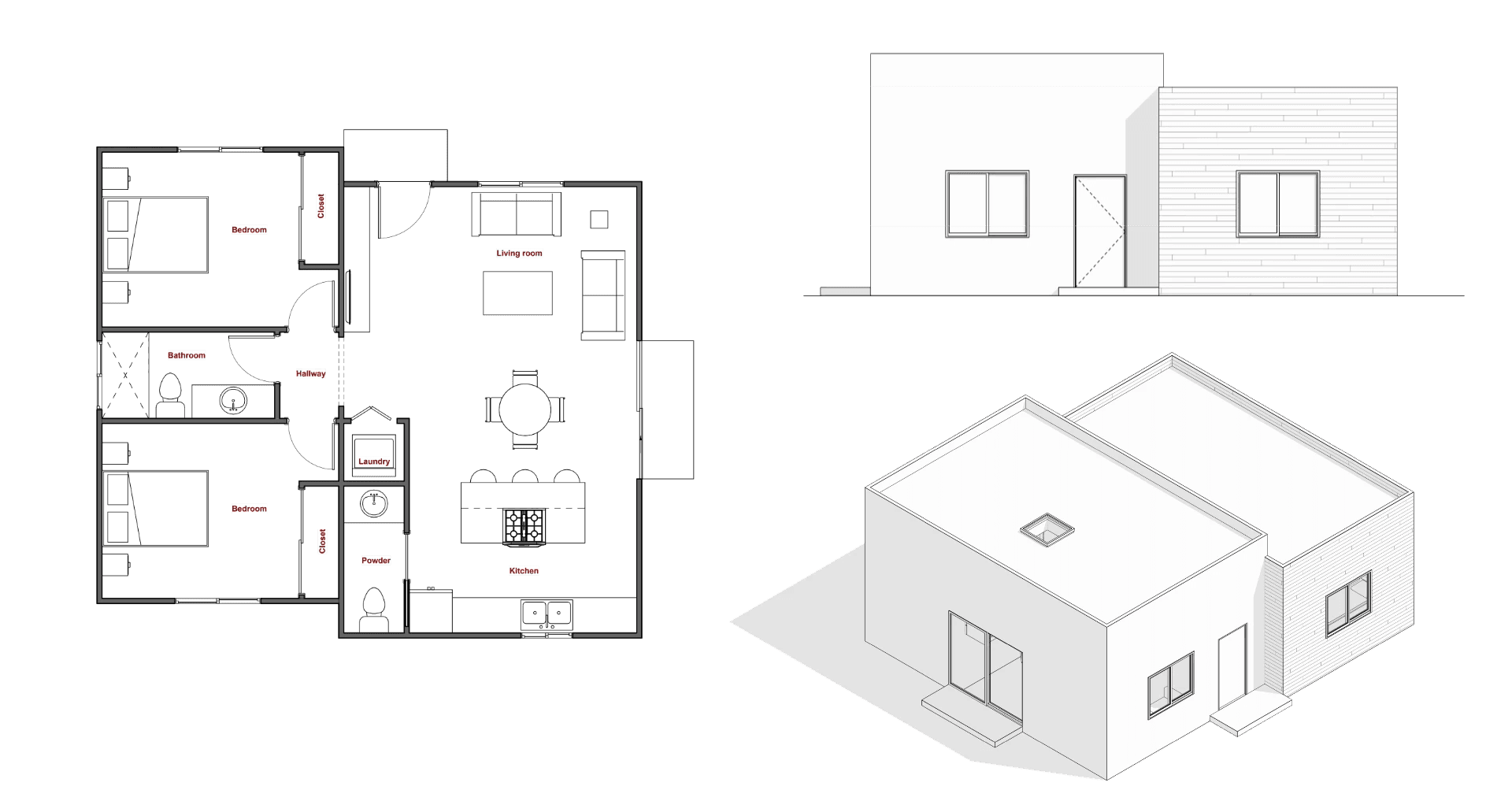
Ground-up ADUs offer a clean slate. Layouts can be optimized from the start, ceiling heights can be generous, and windows can be placed for light, ventilation, and privacy. This makes detached ADUs especially appealing for long-term rentals, family members, or aging-in-place scenarios.
Another advantage is predictability. While conversions often uncover hidden conditions, new construction allows for clearer budgeting and fewer surprises once construction begins.
Detached ADUs also tend to offer stronger sound separation and privacy, which can be important for rental use.
Zoning Rules For Detached Ground-Up ADUs
California Government Code Section 65852.2 establishes baseline standards that cities must follow when regulating ADUs. For detached ADUs, local jurisdictions are allowed to enforce objective zoning standards, but those standards cannot be used to effectively prohibit construction.
Most cities require minimum side and rear setbacks, commonly 4 feet. Height limits for detached ADUs are typically between 16 and 18 feet, though taller structures may be allowed if the ADU is located closer to the primary residence or above a garage, depending on local rules.
State law generally allows detached ADUs up to 1,200 square feet on single-family lots. Local ordinances may set lower maximums, but they cannot go below 850 square feet for one-bedroom units or 1,000 square feet for units with two or more bedrooms.
Parking requirements are limited. Cities may require no more than one parking space per ADU, and parking is not required when the property is located near public transit or when permits are unavailable.
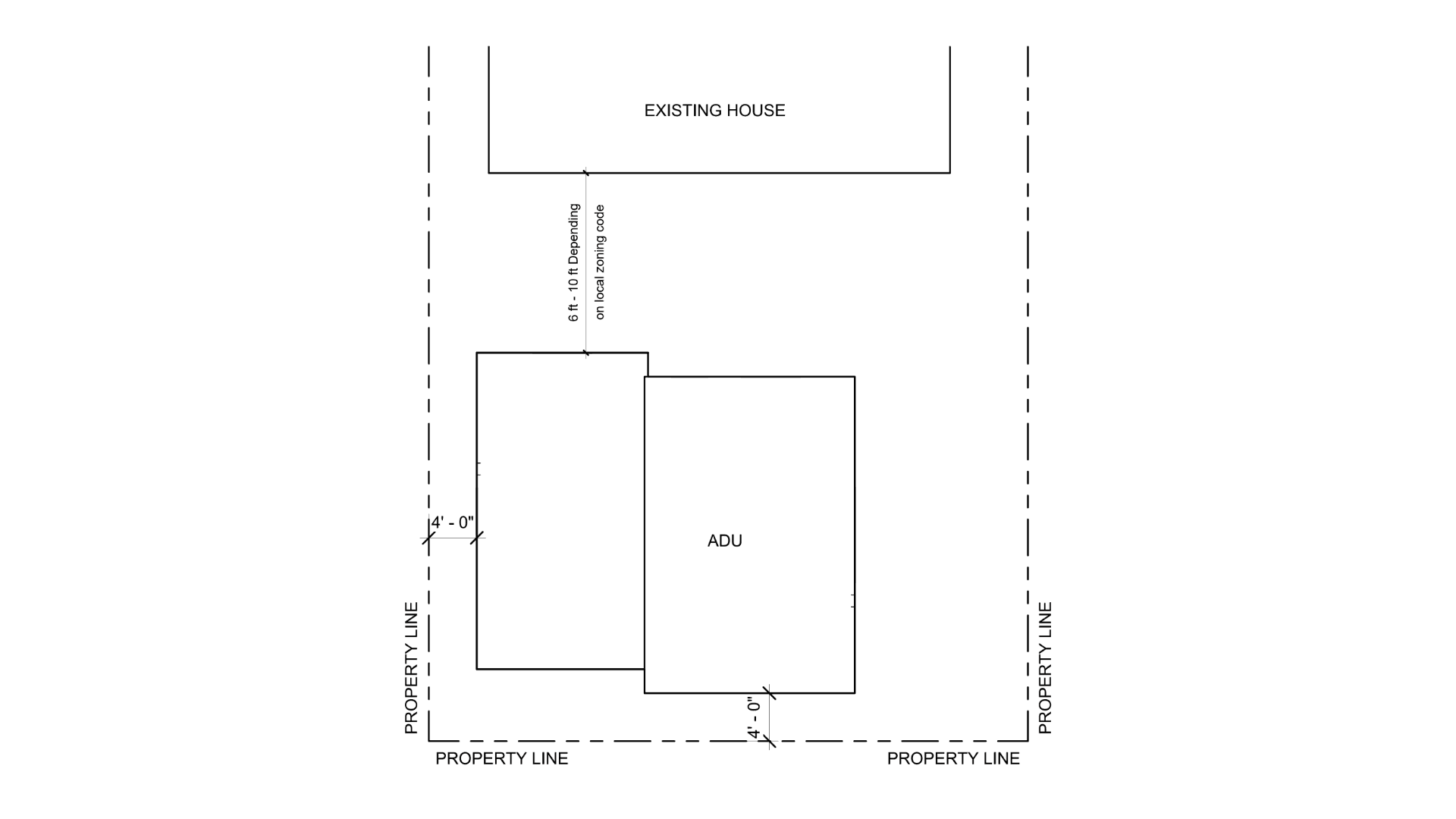
To summarize, the key requirements for detached ground-up ADUs are shown in the table below:
Requirement | Standard | Notes & Exceptions |
|---|---|---|
Zoning | Local jurisdictions may enforce objective zoning rules | Cannot prohibit construction outright |
Setbacks | Minimum 4 feet Side & Rear | Setback to other structures may vary by city |
Height Limits | 16–18 feet | Taller is allowed if near main house or above garage. May vary by city. |
Max ADU Size | Up to 1,200 sq ft | Cannot be smaller than 850 sq ft for 1-bedroom or 1,000 sq ft for 2+ bedrooms |
Parking Requirements | Maximum 1 parking space per ADU | Parking may be waived if ADU is near public transit or per local rules |
Building Code Requirements For New Construction ADUs
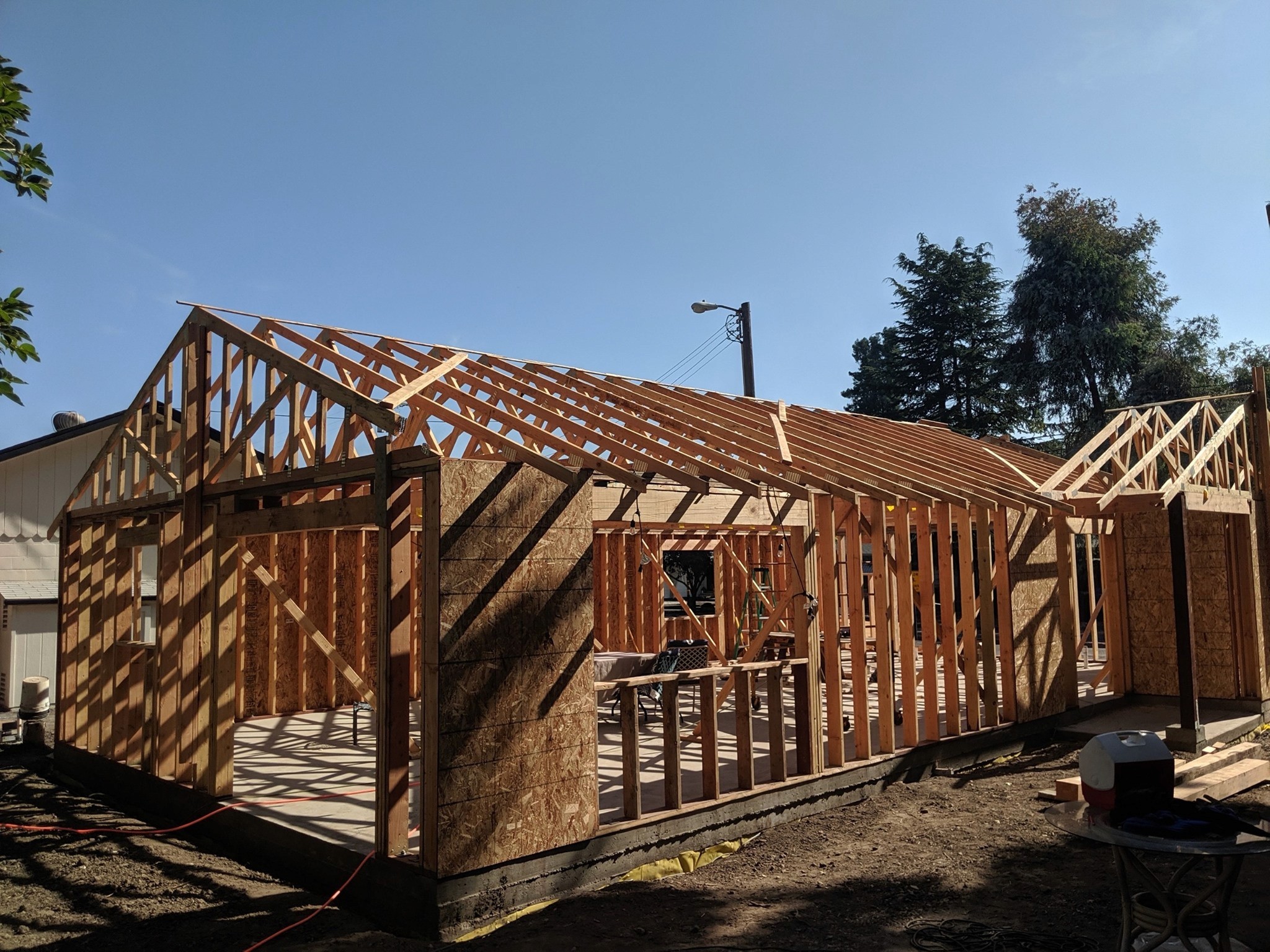
Because a detached ADU is entirely new construction, it must fully comply with the California Residential Code, California Building Code, and California Energy Code. Structural design, foundations, framing, and lateral systems must meet current seismic standards.
Fire separation requirements are typically less restrictive than attached ADUs, but fire-resistance ratings may still apply depending on distance from property lines or other structures.
Energy compliance under Title 24 is a major component of new ADU construction. This includes insulation, window performance, mechanical systems, and often solar photovoltaic requirements, depending on project specifics.
All habitable rooms must meet minimum standards for natural light, ventilation, ceiling height, and emergency egress. Because the building is designed from scratch, these requirements are usually easier to satisfy than in conversion projects.
Utilities And Site Considerations
Detached ADUs may share utilities with the main house or be served by separate meters, depending on the utility provider and local requirements. Trenching, sewer connections, and electrical service upgrades are common scope items that should be planned early.
Drainage, grading, and access paths must also comply with local codes. Clear, well-lit pathways from the street or primary residence are often required for safety and accessibility.
Permitting Process And Review Timeline
Detached ADUs are approved through a ministerial review process, meaning no discretionary hearings are required if the project meets objective standards. Once a complete application is submitted, the city generally has 60 days to approve or deny the project.
Because ground-up ADUs involve structural, energy, and utility reviews, coordination between disciplines is critical. Clear, complete plan sets significantly reduce review time and revisions.
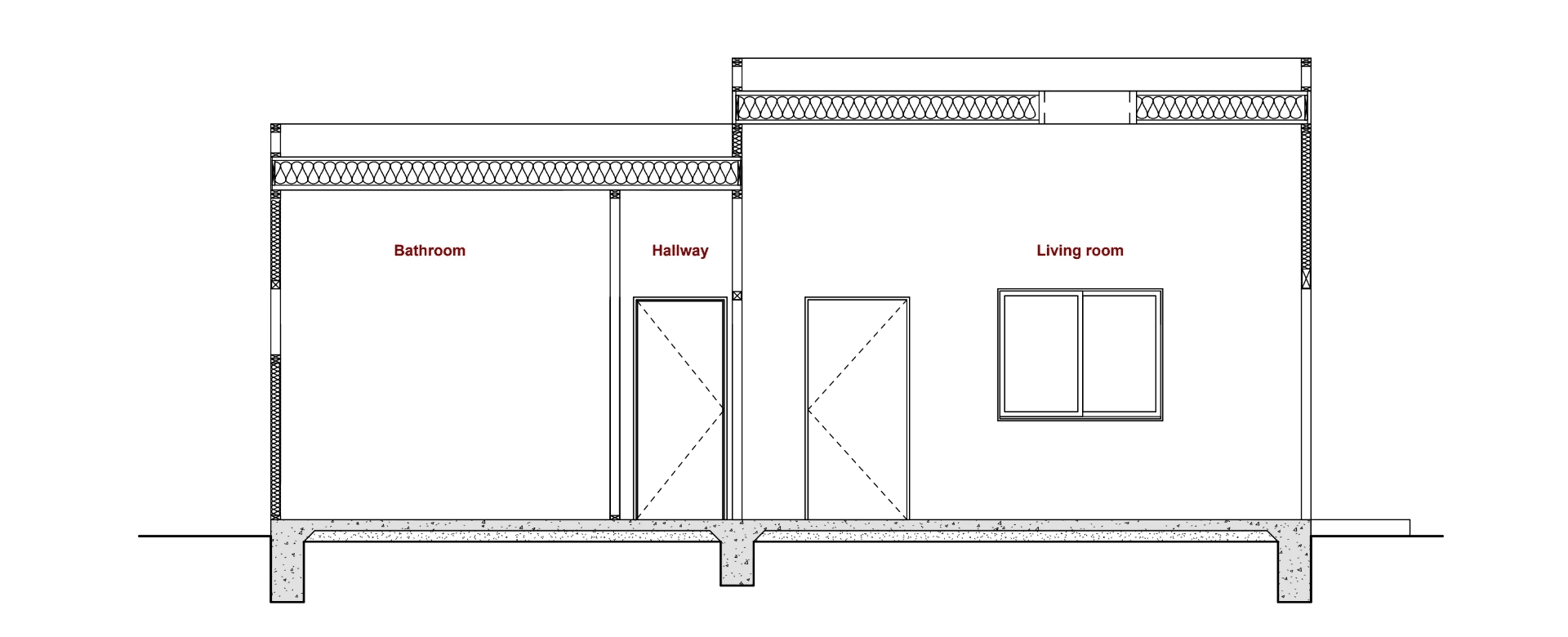
<Image suggestion: Approved permit plans and stamped drawings for a detached ADU>
Common Design And Construction Challenges
One common challenge is fitting the ADU within required setbacks while maintaining usable outdoor space. Early site planning is key.
Another challenge is balancing height limits with desired ceiling heights and roof design. These decisions affect both livability and zoning compliance.
Utility connections and construction access can also be challenging on tight or fully developed lots and should be considered during design, not after permitting.
Conclusion
A detached ground-up ADU offers unmatched flexibility, privacy, and long-term value when designed and built correctly. While it requires full compliance with zoning and building codes, California’s ADU laws provide a clear and supportive framework for approval.
With thoughtful planning, realistic budgeting, and experienced design and construction professionals, a new construction ADU can become a seamless and valuable addition to a residential property.
Key Legal And Code References
California Government Code Section 65852.2
California Residential Code
California Building Code
California Energy Code (Title 24)
California Fire Code
California Department of Housing and Community Development ADU Handbook